
-
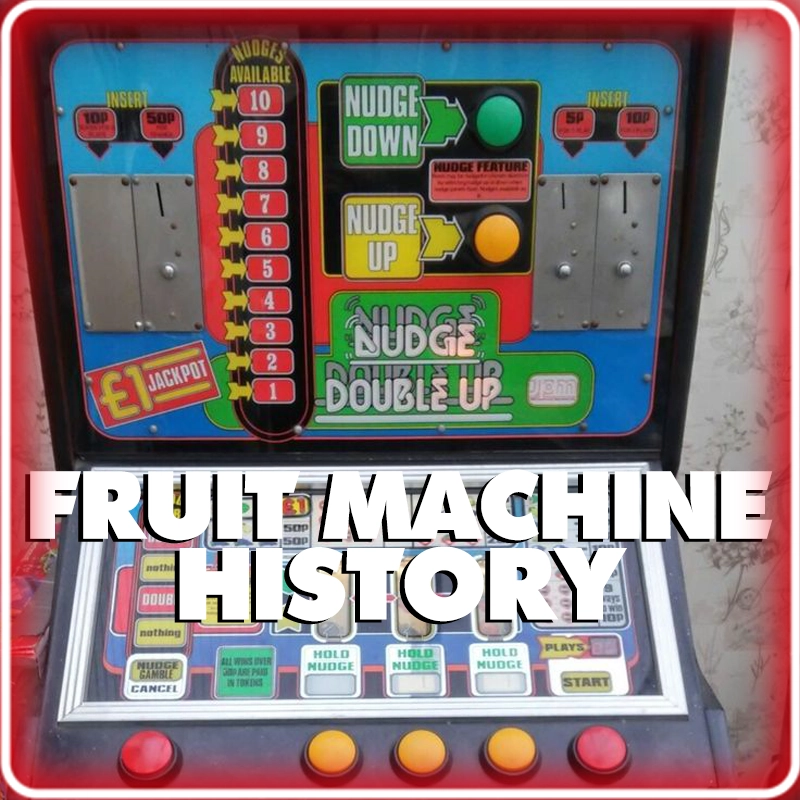
The three-reeled fruit machine, once standard fixtures in almost every pub and coastal amusement arcade
-
Nudges and holds were introduced to add an element of skill
-
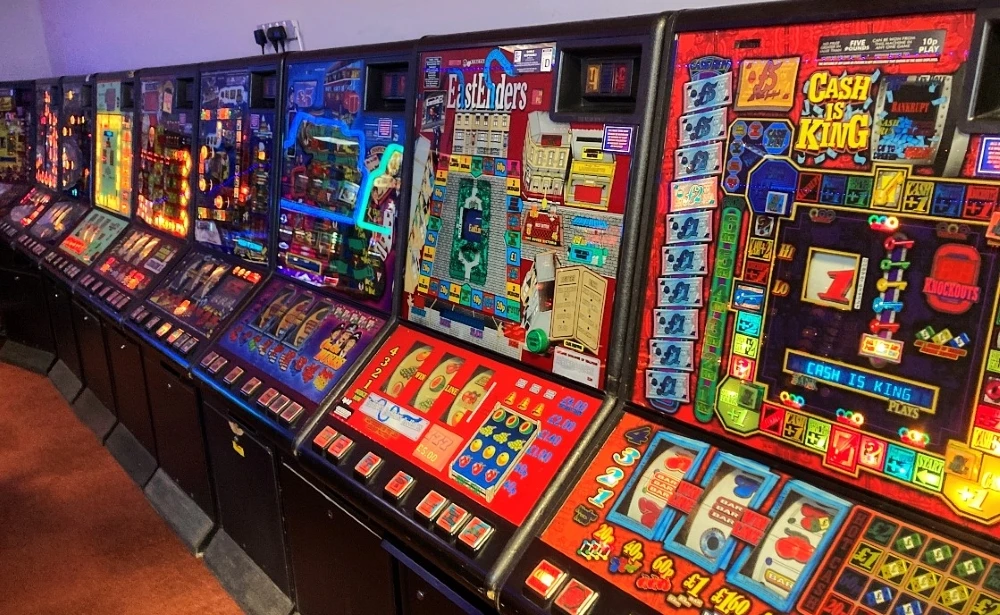
The golden era of fruit machines ended in 2007 with the introduction of touch-screen random slots
The Great British “fruitie” is as central to the nation’s social landscape as a Sunday roast or a classic seaside pier. Once standard fixtures in almost every corner pub and coastal amusement arcade, these flashing, clanking cabinets have long served as a vibrant source of local entertainment. However, the journey of the classic fruit machine is a remarkable tale of technological adaptation and legal ingenuity. Its true origins stretch back to the late 19th century in the United States, where the earliest mechanical slot machines operated via physical reels. When these devices made their way across the Atlantic, strict British gambling restrictions meant that machines paying out automatic cash prizes were frequently restricted or banned outright. To circumvent these anti-gambling laws, early operators cleverly configured the machines to dispense fruit-flavoured chewing gum or tokens instead of money. This legal workaround gave birth to the iconic visual language of British gaming, as cherries, plums, and lemons—along with the legendary “BAR” symbol popularized by the Bell-Fruit Gum Company—became permanent staples of the local entertainment culture.
As the machine embedded itself into British social life, it underwent a massive structural transformation, moving away from the purely mechanical “one-armed bandits” that required players to pull a heavy physical lever to set the internal gears in motion. A major milestone arrived in 1963 with the development of Bally’s “Money Honey,” the world’s first fully electromechanical slot machine, which featured motorized reels and a bottomless hopper capable of automatically dispensing up to 500 coins without needing a bar attendant. Yet, what truly separated the British fruit machine from its international casino counterparts was the introduction of specific mechanical features driven directly by UK law. Because automatic gambling remained illegal in British pubs, engineer Trevor Carter introduced the ingenious “Nudge” button to add an element of physical interaction. Along with the “Hold” feature, these strategic tools transformed the machine from a game of total chance into a recognized game of skill, allowing the fruit machine to slip through the legal net and become a beloved, permanent fixture of pub culture nationwide.
The Rise of the Modern Fruit Machine
The late 20th century triggered a nostalgic golden era for players, defined by a steady progression of stakes and prizes that tracked the economic shifts of the country. Retro enthusiasts fondly recall the modest payouts of the early 1981 machines, which launched with a jackpot of 50p cash combined with a £1 token. Throughout the 1980s and 1990s, these prizes crawled upward in tightly regulated increments: moving to £1.50 cash and £3 tokens in 1984, before a massive regulatory shift in 1997 introduced the first £10 all-cash jackpots. By 2004, the standard pub jackpot had reached £35 cash. This era saw the rise of highly complex, secondary feature boards where players would climb a numbered trail using electronic dice rolls to accumulate nudges, bonuses, and feature pots while carefully dodging “Game Over” squares. It was during this period of fierce innovation that legendary reel-based titles emerged, with Astra’s Slotto and Barcrest’s Rainbow Riches establishing themselves as absolute titans of the gaming floor.
Today, the physical, spinning metal reels of the past have largely given way to a sophisticated digital empire. Modern Adult Gaming Centres, bingo halls, and motorway service areas are now dominated by state-of-the-art digital terminals housed in sleek cabinets with high-definition touchscreen monitors, such as the prominent Blueprint and Astra Games cabinets found across the UK. These high-tech machines completely replace mechanical cogs with virtual engines driven by advanced Random Number Generator (RNG) software, allowing players to scroll through a vast multi-game front-end menu at the touch of a button. Offering premium Category B3 gameplay with £500 all-cash jackpots, these modern terminals feature immersive graphics, animated themes, and even interactive community bonus rounds. While the traditional clanking of metal coins in a physical payout tray has been streamlined by smart cashless ticket technology, the digital games themselves continue to pay homage to their heritage, proving that whether on an old brass wheel or a high-definition display, the soul of the British fruitie remains completely unchanged.